

Ponderings on sobriety, neurodivergence, mental health & wellbeing
Welcome to my blog where I share reflections, hacks, some psychoeducation and tools for you to tap into.
BLOG CATEGORIES

When the only way you know how to switch off is alcohol
Did last night end in a quick drink-or-three to decompress after a stressful day? No judgement here. That used to be me.
I hear this daily from single mums running on empty.
From high-fliers in careers that take everything they’ve got.
I hear it from those in enmeshed family dynamics which suck the life out of them with their expectations and guilting.
And, I hear it regularly from people who look completely fine from the outside but are hanging on by a thread behind closed doors.
(Just quietly, I think I ticked all of those boxes).
Accountability: the secret sauce in behaviour change?
Accountability. Does the word make you cringe? Instantly conjure up feelings of unwanted control or pressure?
If you’ve got a rebellious streak with a side of ADHD (ahem, guilty) then you probably really don’t like being told what to do and might already be side-eyeing me.
But the kind of accountability I’m talking about is different. And I’ve found it’s often the missing piece in making sustainable change including my own.
That’s because as humans we tend to do better when we know someone supportive is ‘watching’.
For example:
💪🏼We go to gym classes as being with others motivates us and we don’t want to be the one who walks out after 10 minutes (whereas left to our own devices we might just do that)
💪🏼We know we’re more inclined to meet a deadline when we there are consequences like failing a subject (whereas self-directed and paced learning is a ‘tomorrow’ proposition)
💪🏼We know we’re less likely to drink alcohol if we’re part of a group of people we’ve been doing that with and we’re going to see them in a day or two.

Why ‘just having one’ feels impossible with ADHD
If you've ever wondered why your relationship with alcohol feels harder than it seems to be for everyone else, it’s because with ADHD it is.
You’re not imagining it, you’re not making excuses, it is.
This makes ‘just having one’ often feel impossible. Here’s why and what to do.

What decades of brain imaging shows about the impact of alcohol on your brain
When drinking becomes a habit, the brain changes in measurable ways. For ADHDers, the stakes are even higher.
A 2019 major research review published in the Journal of Neuroscience Research pulled together decades of brain-imaging studies to show what actually happens in the brain when drinking becomes a struggle … and what happens when you stop.
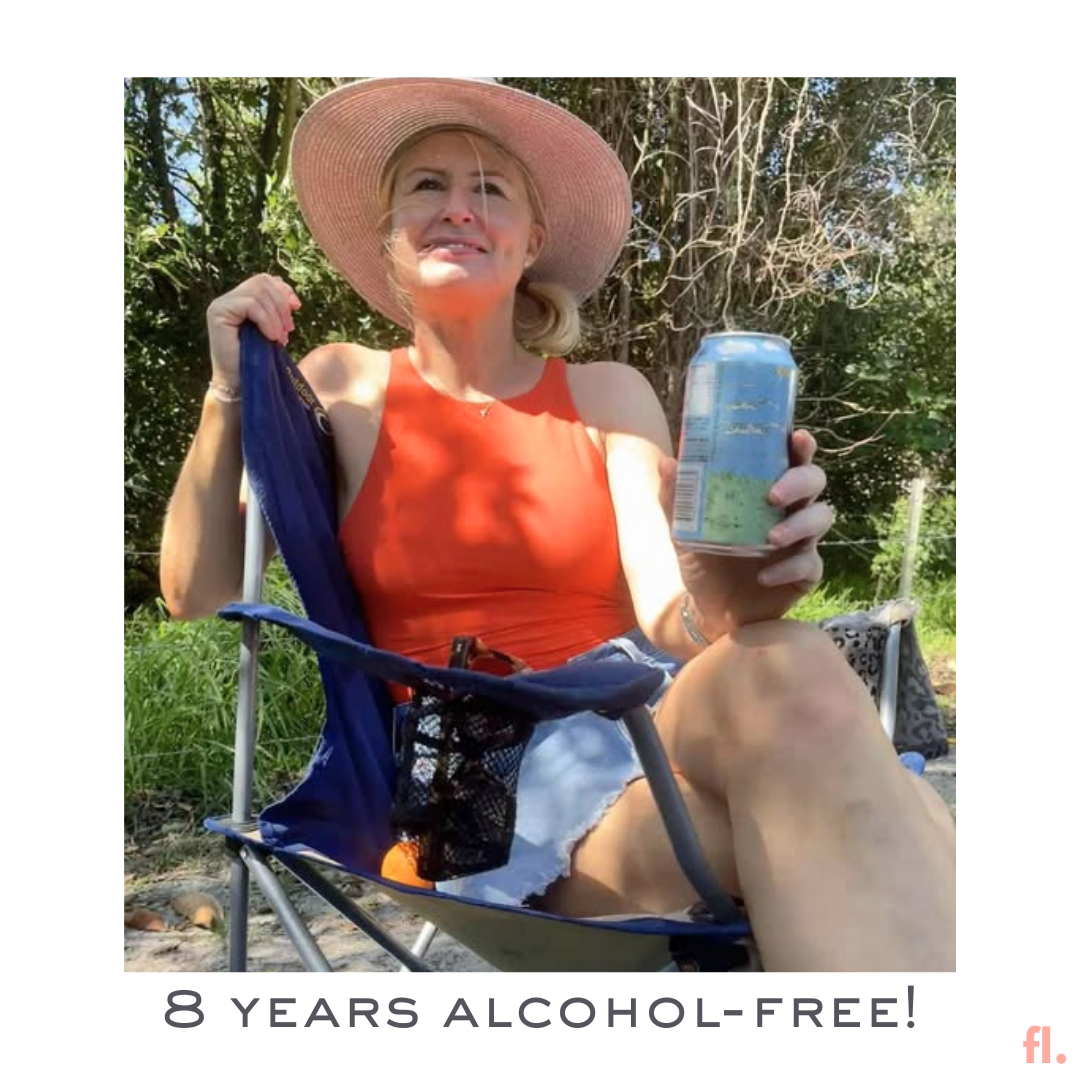
8 years alcohol-free!
8 years alcohol free - and the utter magnificence of neuroplasticity!
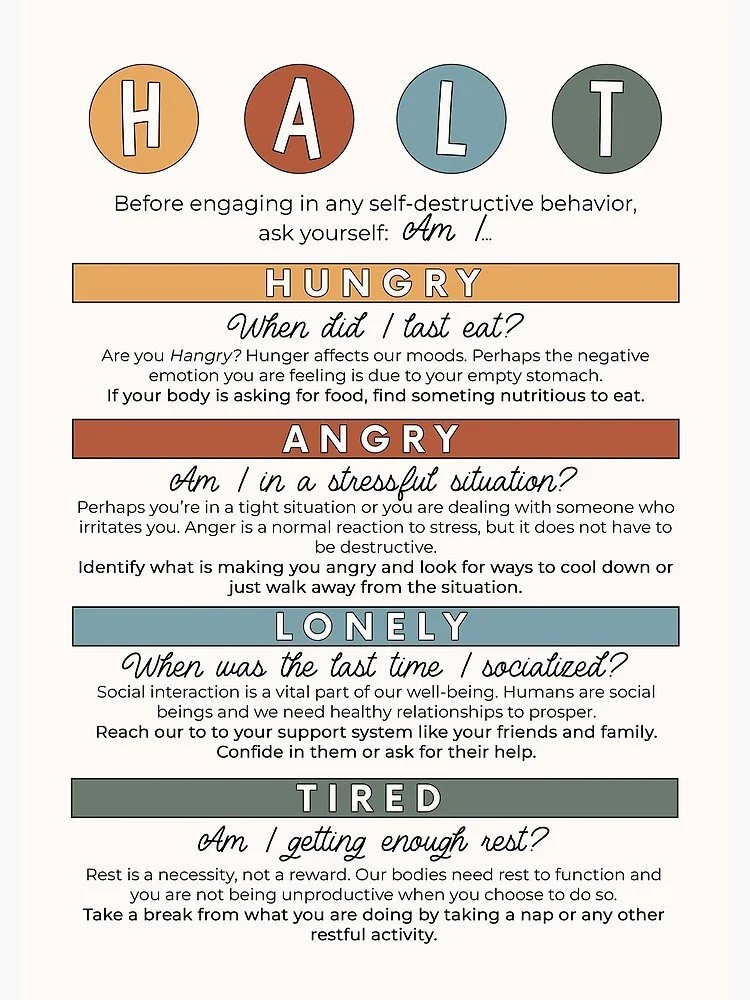
HALT! and alcohol cravings
The H.A.L.T. method is simple, but powerful. It’s about pausing long enough to check in with yourself: Am I Hungry, Angry, Lonely or Tired?
These four states can quietly run the show if we don’t notice them — and they often explain why we make choices that don’t serve us. Here’s how it can help you with alcohol cravings.

Wondering if you might be neurodivergent?
In my work as a counsellor and ADHD coach, I often meet people who have spent years wondering why they feel “different.”
Maybe you’ve always had a sense that you were out of step with others. Or maybe you’ve scrolled past a post or video about ADHD, autism, or another form of neurodivergence and thought, that sounds exactly like me.
If you’re starting to question whether you might be neurodivergent, you’re definitely not alone—and you’re not imagining things. Here’s what to consider.

The 10 Most Common Reasons ADHD clients tell me they drink
As a therapist and coach who works at the intersection of ADHD and grey area drinking, I hear a lot of the same stories from clients about why alcohol has become such a significant part of their lives. And for most of them? It’s not about celebration or fun. It’s about relief.
But here's what I want you to know: This is not a personal failing, it’s your ADHD.

Reflections from seven years alcohol-free!
Reflections from seven years sober/alcohol-free! Here’s what I’ve learnt along the way.

HALT! and other silly season survival tips
Learning to build a solid foundation within ourselves that is anchored in knowing these truths is, for so many of us, one of the hardest things we do in life. And this time of year – amongst the fun and festivities - can bring forth old family wounds, grief, loneliness, difficult relationships and exhaustion that make it even harder to stay grounded.
So here are 3 tools for you to use over the Xmas period to manage stress, alcohol, family stuff or anything else that can impact on your sense of self:
Remember the HALT acronym – HUNGRY, ANGRY, LONELY, TIRED? It’s a super useful tool over this period (see more below) and for life in general.

Exploring the pros and cons of Mental Health Care Plans
So, you've probably heard about GP Mental Health Care Plans (MHCPs; sometimes also referred to as MHTPs for ‘Treatment’) as a way to access mental health services more affordably. They're often the go-to from GPs when you're considering mental health treatment and the type of support/practitioner they refer them on to. However, like anything, they come with their own set of pros and cons.
Many of us are not familiar with some of the implications of the MHCP - and to be clear this article is not designed to deter you from them in any way as they are invaluable for many. But it is important for all of us as health/mental health consumers to have all the information to enable us to make the best decisions for our particular circumstances and needs. So let’s take a look.

Why I go to therapy
None of us have it all worked out. Not your psychiatrist, your Mum, the inflluencer you follow who talks about mental health. We are ALL fallible humans who need support, guidance, help with our 'stuff'. That includes mental health professionals and those in the helping professions. Therapy gives us a way to process our emotions, our struggles, our challenges and to see things from a different and more helpful perspective. It educates us. It gives us more awareness of who we are. Everyone should do it, frankly.
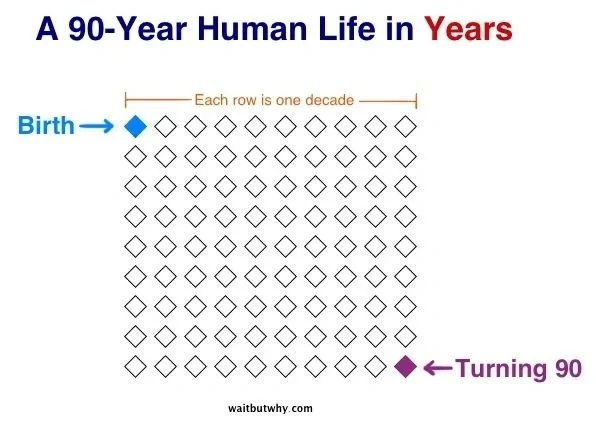
What is a year of your life worth?
So many of us get caught up in the shoulds and what other people think, caught up in all these weeds of expectations. (I am certainly not immune to this btw). The perfection game - one which will we'll never win.
Then we drink to tolerate the intolerable. Lives that are not our own. Lives that are lived for the approval of others.
We drink to tolerate this disconnect between who we really are and why we're not being that person, stuck in jobs we hate, hanging out with people we really don't like that much, and maybe even in unhappy relationships.
It’s time to stop wasting your life.
Why 'progress not perfection' works to support lasting change
One thing I see amongst almost all my clients is that they're extremely hard on themselves; they're perfectionists and their inner critic game is really strong. I very much identify with this too.
They want to achieve allllll the things - stopping drinking (or taking a break), getting fit, overhauling their diet, maybe stopping smoking if that's in the mix, being more organised or productive, improving their relationships, stop working as much - and quite possibly a whole raft of other things.
But, if we want to set ourselves up for success, lets learn from what psychology and behavioural science tells us does work in making changes. A mindset of ‘progress not perfection’ is critical in making and sustaining the changes we want.

How I Quit Alcohol podcast
How I Quit alcohol podcast. Faye and Danni talk cPTSD, alcoholism, socialising without alcohol and trauma.